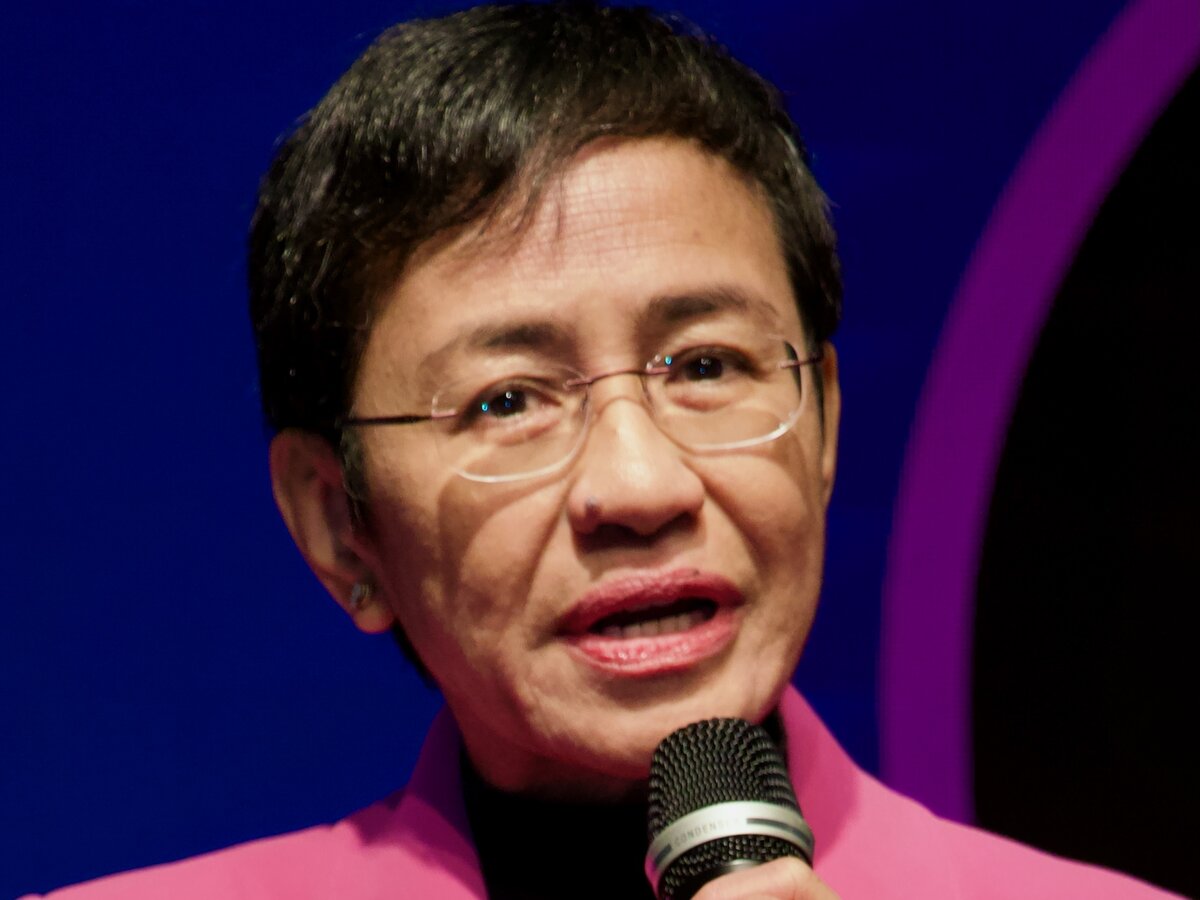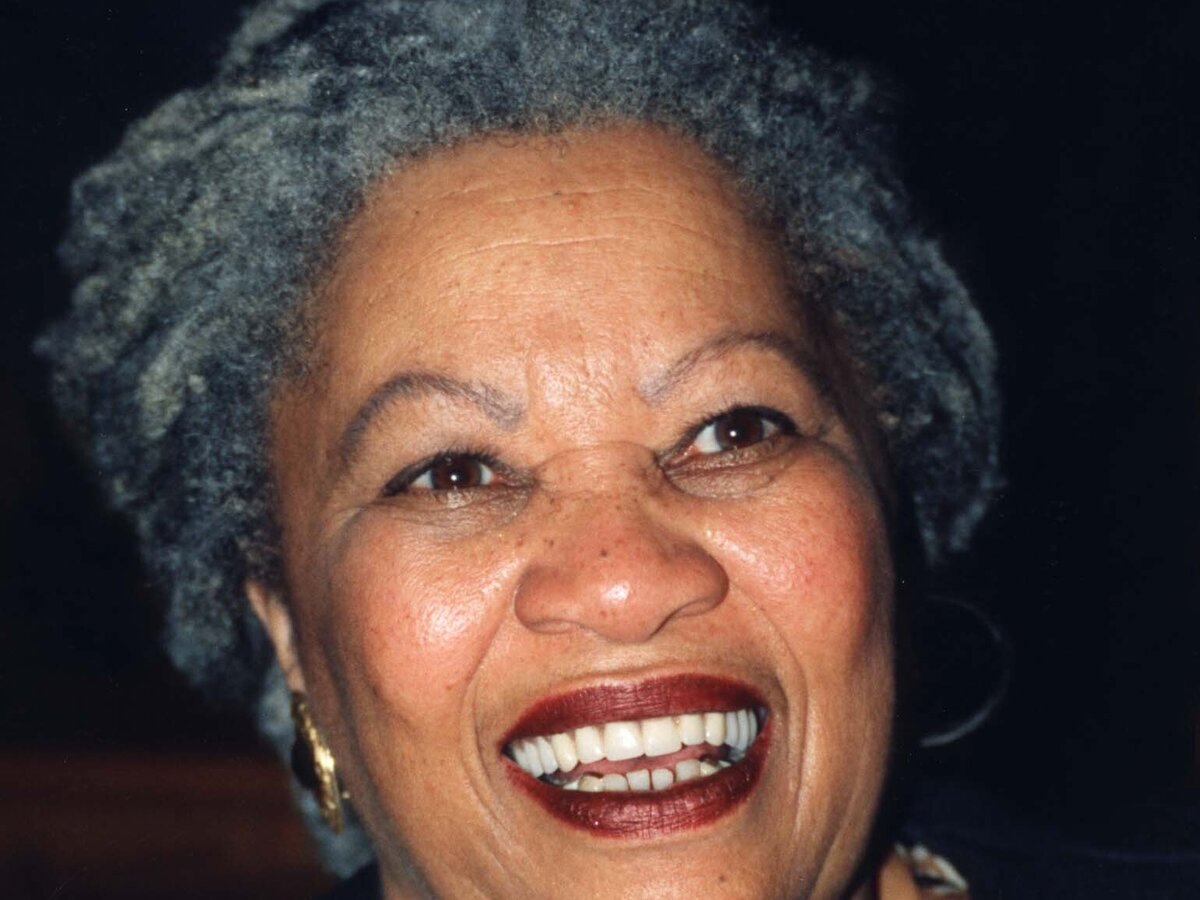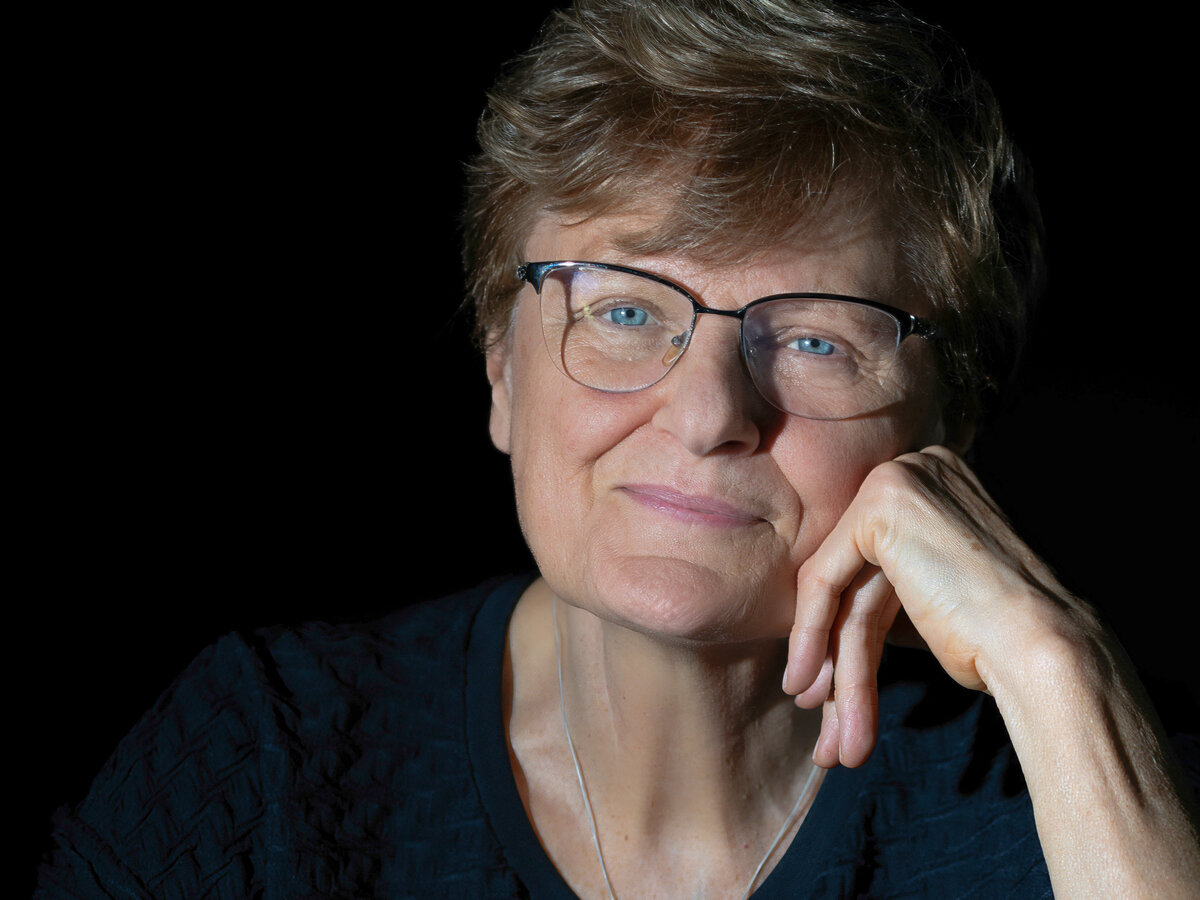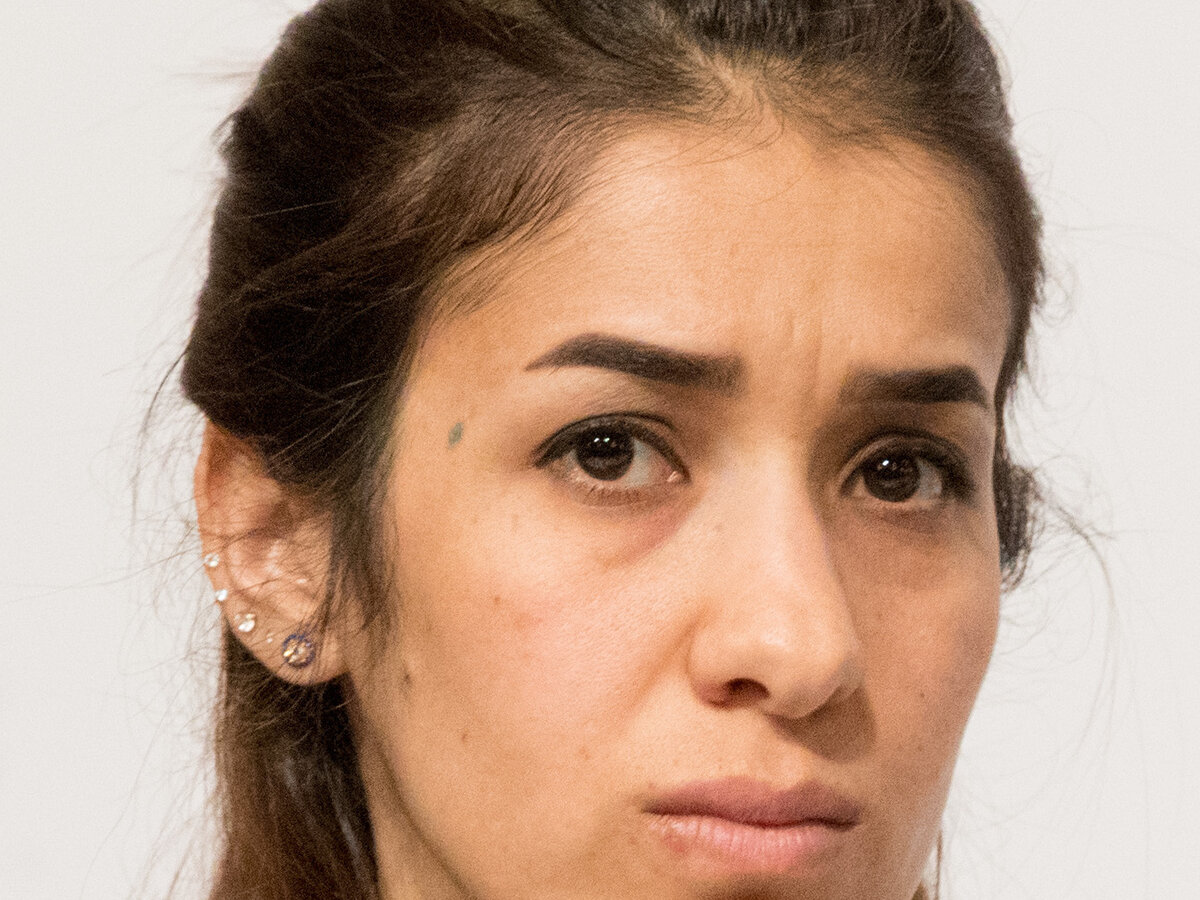
On 5 October 2018 Nadia Murad was awarded the Nobel Peace Prize with the Congolese gynaecologist Denis Mukwege, "for their efforts to end the use of sexual violence as a weapon of war and armed conflict". She was 25. Four years earlier she had been a captive of Islamic State.
Kocho, August 2014
Nadia Murad was born in 1993 in Kocho, a Yazidi village in the Sinjar district of northern Iraq. The Yazidis are a Kurdish-speaking religious minority. She had ten brothers and sisters and dreamed of opening a beauty salon and becoming a history teacher.
On 3 August 2014 Islamic State fighters overran the Sinjar region. On 15 August they gathered Kocho's residents in the school. The men were taken away and killed, six of her brothers among them. Her mother was murdered along with other older women. The young women and children were driven to Mosul.
Mosul
Like thousands of Yazidi women, Nadia Murad was sold, raped and beaten by several men. After about three months she escaped through a door that had been left unlocked. She knocked at the house of a Muslim family in Mosul, who helped her leave the city with false papers and reach Iraqi Kurdistan.
In 2015 she went to Germany under a Baden-Württemberg programme for Yazidi women. On 16 December that year she told her story to the UN Security Council in New York.
Telling it again
She went on to repeat her account hundreds of times, to parliaments, journalists and students. She has said each time cost her something, but that it was the only weapon she had. In 2016 she became the UN's first Goodwill Ambassador drawn from survivors of human trafficking, and won the European Parliament's Sakharov Prize with Lamiya Aji Bashar, another survivor.
With the lawyer Amal Clooney she has called for Islamic State members to be tried for genocide. Her book, The Last Girl (2017), written with Jenna Krajeski, tells of her life in Kocho, her captivity and her escape.
Rebuilding Sinjar
She said she would use her Nobel money to build a hospital in Sinjar. Her organisation, Nadia's Initiative, rebuilds schools, clinics, wells and farms there and supports survivors. In 2022 she launched the Murad Code, a set of rules for gathering testimony from survivors of conflict-related sexual violence without putting them at risk or making them repeat their story again and again.
Hundreds of Yazidi women and children are still missing. In November 2021 a court in Frankfurt convicted a former Islamic State member of genocide against the Yazidis, a world first.
© Photo: Austrian Federal Ministry for European and International Affairs - CC BY 2.0 (cropped)