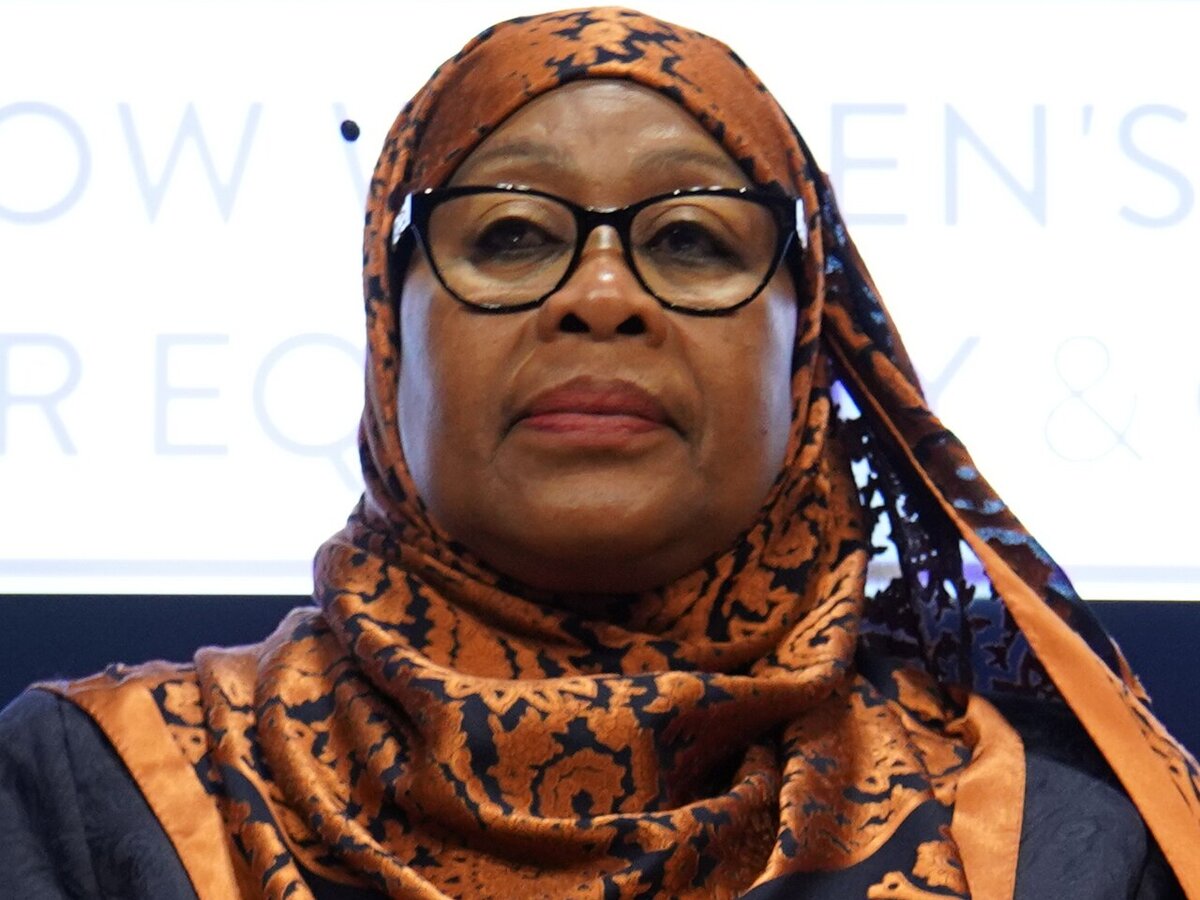
Samia Suluhu Hassan became Tanzania’s first woman president in March 2021, after the sudden death of John Magufuli, whose vice-president she had been. Her first years in office were marked by a political opening and praise abroad. Her re-election in October 2025, with an official 97.66% of the vote and no main opposition candidate on the ballot, ended in deadly unrest and changed the way she is seen.
Zanzibar
Samia Suluhu was born on 27 January 1960 in Makunduchi, on the island of Zanzibar. After secondary school she became a clerk in the Zanzibar administration, and studied public administration and economics, including in the United Kingdom at the University of Manchester. She later worked on a project run by the World Food Programme, and in 2015 completed a master’s degree in community economic development.
She entered politics in Zanzibar, where she was elected to the House of Representatives in 2000 and became a minister. In 2010 she was elected to the national parliament for Makunduchi and joined the Union government as minister of state for Union affairs. In 2014 she was vice-chair of the assembly charged with drafting a new constitution.
The accidental president
In 2015, John Magufuli chose her as his running mate: she became Tanzania’s first woman vice-president. When Magufuli died on 17 March 2021, she was sworn in two days later, as the country’s sixth president.
She quickly broke with several of her predecessor’s policies. She accepted that COVID-19 was a danger, reopened suspended newspapers, met opposition leaders, and in January 2023 lifted the ban on political rallies. She summed up her approach as the “4Rs”: reconciliation, resilience, reforms and rebuilding.
The 2025 election
The mood changed before the 2025 election. In April, the main opposition party, Chadema, was barred from the vote after refusing to sign an electoral code of conduct, and its leader, Tundu Lissu, was charged with treason. On 29 October 2025, Samia Suluhu Hassan was declared re-elected with 97.66% of the vote. Protests broke out in several cities; the internet was cut and a curfew imposed.
A commission of inquiry that she set up delivered its report on 23 April 2026. It counted 518 deaths and more than 2,000 injured, and said the toll was “not final”. The commission held the protesters responsible for the violence. The opposition rejected the report, and Human Rights Watch called it a missed opportunity to establish accountability.
2026
In 2026 she has been calling for African governments to take a larger share in financing the fight against malaria. In July she made her first visit to another African country since her re-election, to Ghana.
Read our profile of Netumbo Nandi-Ndaitwah, president of Namibia, and our article on Wangari Maathai, the Kenyan Nobel Peace Prize laureate.
© Photo: Scottish Government - CC BY 2.0 (cropped)